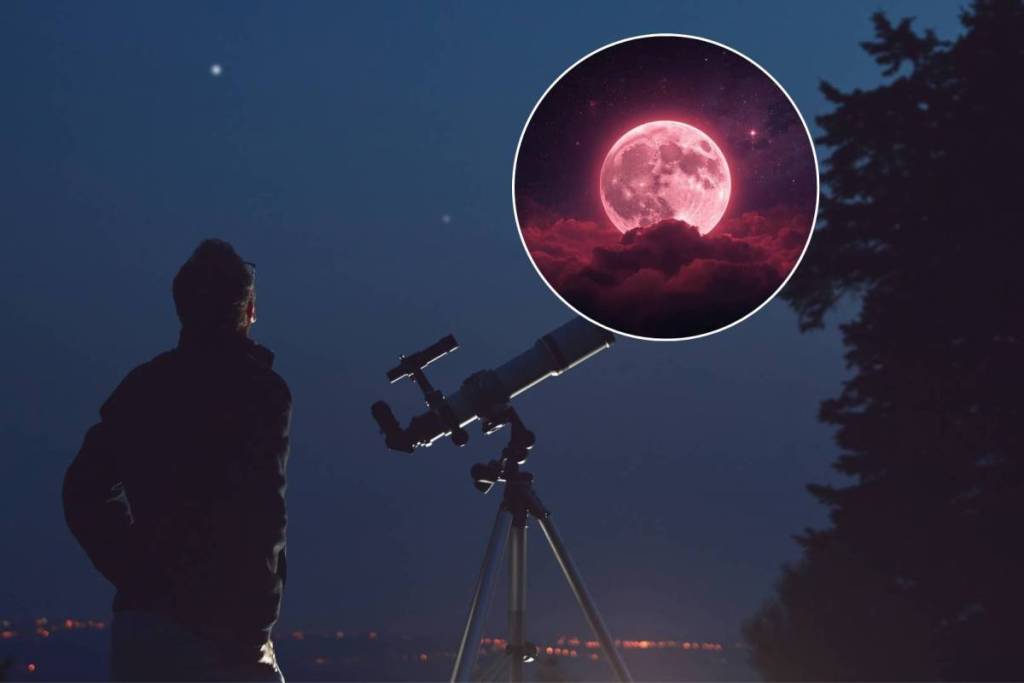

Summer skies in the United Arab Emirates come with opportunities to stargaze into the crystal clear skies at night. Well, sky watchers, here’s another reason to look up this week. The first full moon since the winter solstice is going to illuminate the skies with a amber-ish hue. Known as the Strawberry Moon, June’s full moon comes with astronomical quirks that make it a particularly noteworthy sight. Whether you’re an avid astronomy enthusiast or looking for a reason to step outside after dark (which we need in the heat), here’s your excuse. Get a chance to see the strawberry moon in Dubai today.
What is the Strawberry Moon?
The Strawberry Moon is a traditional name given to the full moon that happens in June every year. And no, unfortunately it isn’t any shade of pink, red or strawberries. The name comes from the Native American communities where the June full moon coincided with the short strawberry harvesting season in parts of North America.
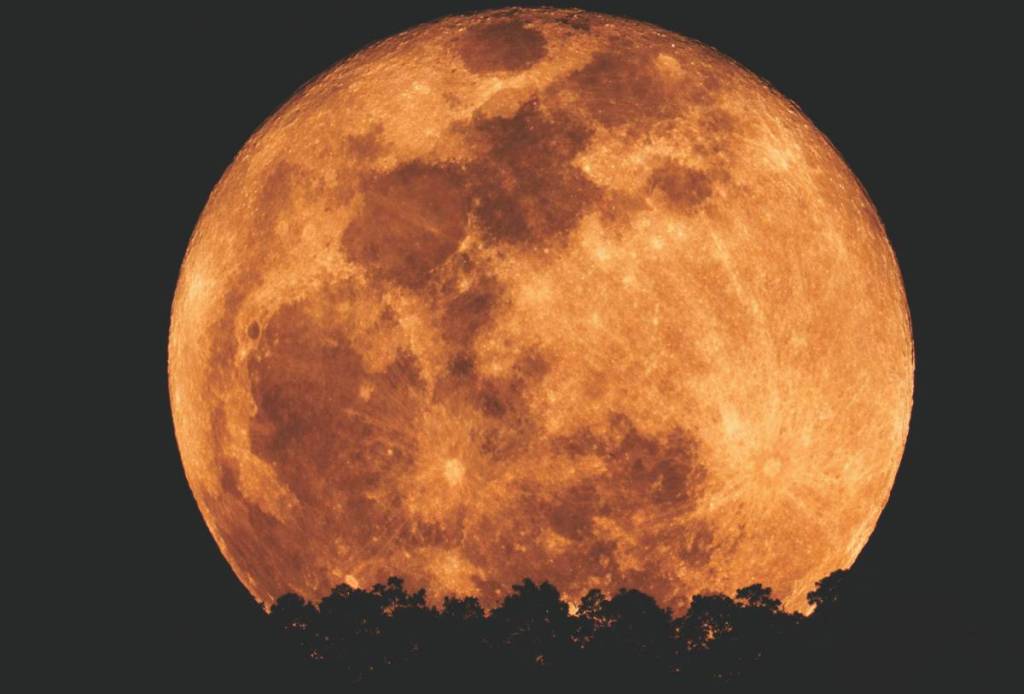
This year’s strawberry moon is significant because it is also the second micro-moon of 2026. This means that it will occur when the Moon is near its furthest point from Earth. As a result, the moon may appear slightly smaller and dimmer than the average full moon. Oh and this difference is too subtle unlikely to be registered by the naked eye.
When can you see the June full moon in Dubai?
The Strawberry Moon will officially reach its peak on Monday, June 29, at 7:03pm in Dubai, United Arab Emirates. Since we are based in the Northern Hemisphere, the June full moon will be slightly redder than you think because it’s a low-lying full moon. The moon will rise in the southeast and move across the southern skies before setting in the southwest. So, make sure you have the best southern sky view to see the full moon in Dubai.
How can you see it?
No special equipment is needed to enjoy the Strawberry Moon, although clear, darker skies will be the ideal viewing experience. In Dubai, heading away from city lights to regional stargazing destinations such as Al Qudra Desert or Hatta‘s Hajar Mountains. Al Lehbab Desert and Al Marmoom Desert Conservation Reserve are also equally good alternatives. Alternatively, low-light areas can offer especially good views. However, the moon should still be easily visible from terraces if skies remain clear.