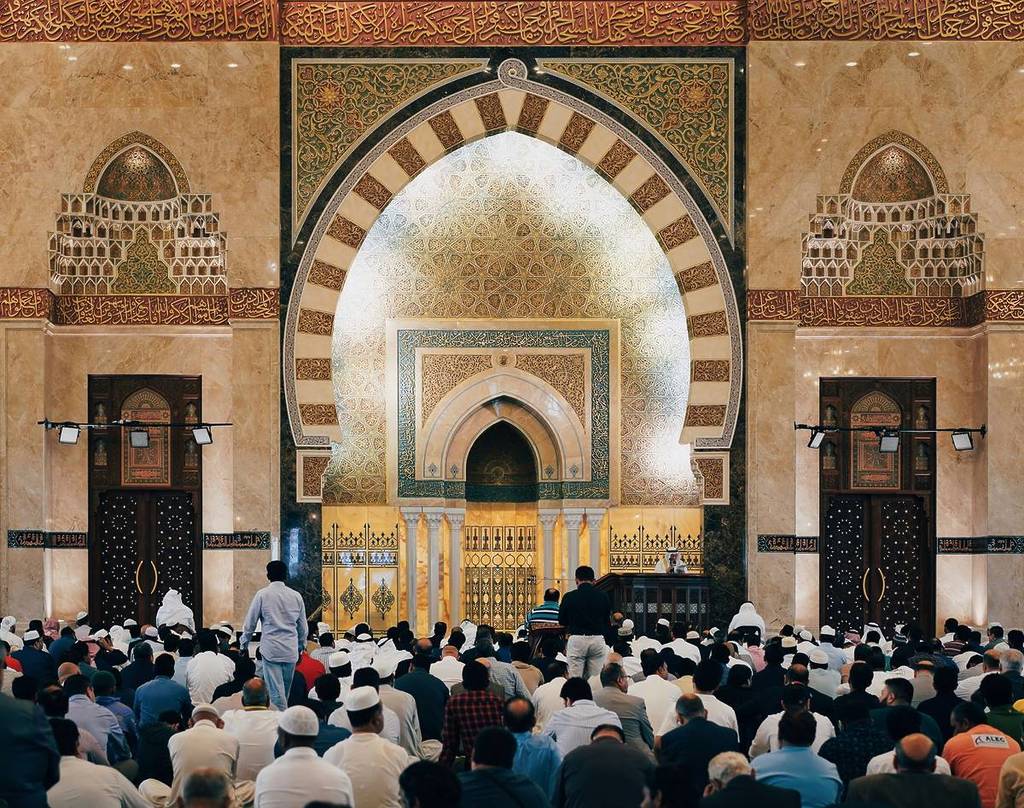
Ramadan 2026 is starting on February 28, 2026 in the UAE based on local lunar predictions. With it comes its usual mix of spiritual focus and real‑world adjustments in Dubai. With shorter fasting hours than recent years, the UAE’s largest city is again updating services and schedules to match the daily rhythm of the holy month.
Below is an overview of what’s changing, with local data and practical implications for residents as well as tourists visiting Dubai in the holy month of Ramadan.
Changes happening in Dubai during Ramadan
One of the most significant changes during Ramadan revolves around public eating and drinking. During fasting hours, from sunrise to sunset, it is respectful to refrain from eating, drinking, or smoking in public spaces. While regulations have become more relaxed in recent years, with many restaurants operating behind screens during the day, it is a gesture of courtesy to be mindful of those who are fasting. You will find that most food courts in malls and dining establishments in tourist areas remain open, but consuming food and beverages should be done discreetly.
Daily schedules also shift significantly. Most businesses, both in the public and private sectors, operate on reduced working hours. This often means offices close a couple of hours earlier than usual. Be sure to check the Ramadan timings for any government services, banks, or offices you may need to visit. This change also affects traffic patterns, with a noticeable rush hour just before sunset as people head home or to Iftar gatherings.
The evenings are centered around two main meals: Iftar, the breaking of the fast at sunset, and Suhoor, the pre-dawn meal. The moment of Iftar is traditionally marked by the firing of a cannon at various locations across the city, a practice you can witness at places like Burj Park, Madinat Jumeirah, and City Walk.
Dubai’s culinary scene comes alive with countless restaurants offering special Iftar buffets and set menus. You might be interested in visiting one of the many beautiful Ramadan tents set up by hotels and venues, which provide a traditional and festive atmosphere for a memorable dining experience. It is highly recommended to book these in advance, as they are very popular.
After Iftar, the city’s energy picks up. Shopping malls often extend their hours late into the night, sometimes until 1 a.m. or later, and host special events and promotions. You can also explore vibrant Ramadan night markets, such as the Ramadan District at Plaza Terrace, Jumeirah Emirates Towers, which are perfect for finding unique gifts, local crafts, and delicious treats.
data-instgrm-captioned data-instgrm-permalink="https://www.instagram.com/p/DVA7EeOCLVY/?utm_source=ig_embed&utm_campaign=loading" data-instgrm-version="14" style=" background:#FFF; border:0; border-radius:3px; box-shadow:0 0 1px 0 rgba(0,0,0,0.5),0 1px 10px 0 rgba(0,0,0,0.15); margin: 1px; max-width:540px; min-width:326px; padding:0; width:99.375%; width:-webkit-calc(100% - 2px); width:calc(100% - 2px);">
Entertainment is also adjusted to be more family-friendly and culturally appropriate, with a focus on activities that align with the reflective spirit of the month. It’s a wonderful opportunity to experience Dubai’s vibrant nightlife in a more traditional and communal setting.
Metro, tram, and bus services will run later into the night – clocking special service hours for the holy month. This is to accommodate movement after iftar (sunset). Trams and buses may run well past midnight, while metro starts early in the morning to meet suhoor‑related travel needs.
Embracing the spirit of the Holy Month in the city
Ramadan is a time of modesty and reflection, and it’s important to be mindful of social etiquette. It is recommended to dress more conservatively during the Holy Month, ensuring your shoulders and knees are covered when in public areas like malls and markets. This is a sign of respect for the local culture and the spiritual significance of the period. Similarly, it’s considerate to avoid playing loud music in your car or in public, as the general ambiance of the city is more subdued and peaceful during the day.
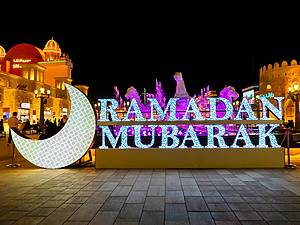
Ultimately, being in Dubai during Ramadan offers a unique opportunity to connect with the city’s cultural and spiritual side. By embracing the slower daytime pace and enjoying the festive, communal evenings, you can gain a deeper appreciation for its traditions. Take the chance to try an authentic Iftar, wander through a bustling night market, or simply enjoy the beautifully decorated streets. It’s an experience that truly shows a different, more serene side of Dubai.